
How to Prevent Carbon Monoxide Poisoning in Your Car for Safety?
A carbon monoxide detector for your car is a safety device that monitors cabin air for CO gas, alerting occupants before levels become dangerous. Carbon monoxide is colorless, odorless, and tasteless but can quickly cause dizziness, nausea, or death if inhaled in enclosed spaces.
Preventing CO poisoning in vehicles involves proper exhaust system maintenance, keeping tailpipes clear, ensuring adequate ventilation, and using a reliable carbon monoxide detector for your car.
What is Carbon Monoxide Poisoning in Cars?
Carbon monoxide (CO) is a byproduct of fuel combustion in vehicle engines. Under normal conditions, CO exits through the exhaust system. However, when it enters the cabin, it can accumulate quickly, especially in enclosed spaces or during long idling.
Common sources in cars include:
- Leaking or damaged exhaust systems
- Idling in closed garages or tunnels
- Blocked tailpipes due to snow, mud, or debris
- Poor ventilation or air circulation inside the vehicle
- Sleeping in a running car
Even short exposure can harm drivers and passengers. Symptoms often mimic fatigue or motion sickness, making early detection critical.
How Carbon Monoxide Can Build Up Inside a Vehicle
Mechanisms of CO accumulation:
- Exhaust leaks: Small cracks or holes in the exhaust system allow gases to seep into the cabin.
- Idling in enclosed spaces: Running the engine in garages or tunnels without airflow increases CO concentration rapidly.
- Obstructed tailpipes: Snow, ice, or debris can prevent CO from leaving the exhaust system safely.
- Poor cabin ventilation: Closed windows or faulty AC systems reduce fresh air intake, letting CO accumulate.

Common Symptoms of Carbon Monoxide Poisoning in Cars
According to the CDC, early symptoms include:
- Headache, dizziness, or weakness
- Nausea or vomiting
- Confusion or shortness of breath
- Chest pain
- Sleepiness or sudden drowsiness while driving
Immediate action is required if these symptoms occur. Open windows, stop the engine, move to fresh air, and seek medical help if necessary.
How to Prevent Carbon Monoxide Poisoning in Your Car
- Avoid prolonged idling with windows closed
- Do not rest or sleep in a running vehicle.
- Avoid running engines in garages, tunnels, or enclosed loading zones.
- Regularly inspect the exhaust system
- Have a certified mechanic check for leaks annually.
- Focus on older vehicles, high-mileage cars, and commercial fleets.
- Keep tailpipes clear
- Remove snow, mud, or debris blocking exhaust outlets, especially during winter.
- Increase fresh-air ventilation
- Use AC or open windows briefly when running the engine.
- Avoid sealing the cabin for long periods.
- Never sleep in a running car
- Stop the engine and move to a properly ventilated area before resting.
Why a Carbon Monoxide Detector for Your Car Matters
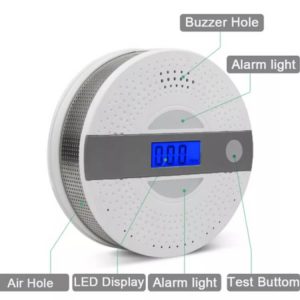
A carbon monoxide detector for your car provides real-time monitoring and alerts occupants when CO levels rise. It’s especially useful in:
- Winter driving
- Long-distance travel
- Commercial and fleet vehicles
- Camping or mobile work scenarios
- Vehicles with aging exhaust systems
Benefits include early warnings, faster response times, and peace of mind for drivers and passengers.
Best Practices for Vehicle CO Safety
- Combine routine vehicle maintenance with detector use.
- Educate drivers about CO poisoning symptoms.
- Keep detectors properly installed and functional.
- Monitor vehicle air quality regularly.
Industry Standards & Recommendations
- Follow EPA and CDC guidance for CO safety.
- Check NHTSA warnings on idling and tailpipe clearance.
- Use detectors compliant with automotive safety regulations.
Common Mistakes
- Ignoring early symptoms of CO exposure.
- Sleeping in a running car.
- Failing to check exhaust systems annually.
- Blocking tailpipes in winter conditions.
- Poor cabin ventilation during long idling.
Expert Recommendations
- Invest in a high-quality carbon monoxide detector for your car.
- Conduct annual inspections of exhaust and ventilation systems.
- Maintain good airflow during engine operation.
- Educate all drivers and passengers on CO poisoning risks.
FAQ
1. Can carbon monoxide enter my car if the garage door is open?
Yes, CO can accumulate dangerously even in open garages if the vehicle runs too long.
2. How often should I check my exhaust system?
CDC recommends at least once per year.
3. Can short exposure be harmful?
Yes, CO can cause symptoms quickly in enclosed spaces.
4. Is a CO detector necessary for all vehicles?
Strongly recommended for older, commercial, or high-mileage vehicles.
5. How do I know if my tailpipe is blocked?
Visual inspection before starting the engine, especially after snowfall.
6. Are symptoms of CO poisoning obvious?
Often mild at first; headaches and dizziness are common early signs.
7. Can a CO detector prevent poisoning completely?
It adds an early warning layer but must be used alongside safe driving practices.
8. Is it safe to idle in cold weather?
Limit idling and ensure ventilation; do not sleep in the car.
9. Can I install a CO detector myself?
Yes, plug-in or portable units are user-friendly for vehicles.
10. What else improves cabin air safety?
Regular AC maintenance, avoiding blocked vents, and using fresh air mode.