
Where to Install Fire Alarm Manual Call Points in Buildings?
Knowing where to install a fire alarm manual call point is essential for faster emergency response and safer evacuation. In many buildings, people may spot smoke, flame, or unusual heat before automatic detection starts the full alarm process. A well-placed manual call point helps occupants raise the alert without delay.
In high-rise public buildings, installation planning should focus on areas with high traffic, complex escape routes, or higher fire load. These locations often include entrances, exit routes, stairwell access points, combustible material warehouses over 50 square meters, and business halls larger than 500 square meters. In these spaces, a fire alarm manual call point supports quicker human action and improves evacuation efficiency.
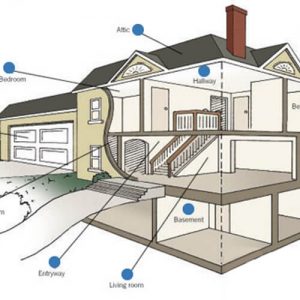
In residential buildings, the layout depends on building height and fire system design. Super high-rise residential buildings and high-rise residential buildings above 54 meters usually need alarm devices in public areas. Corridors, lobbies, stairwells, and other shared escape routes are common installation points. In residential buildings between 27 and 54 meters, public-area alarm coverage remains a key requirement. Clear placement increases visibility and helps residents respond faster during an emergency.
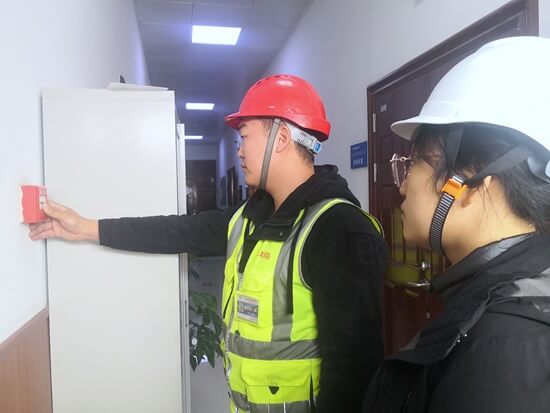
Special-use buildings need even more careful planning. These projects include entertainment venues, kindergarten children’s rooms, old buildings, sanatorium ward buildings, hotels, large commercial buildings, underground or semi-underground stores, and labor-intensive factories such as shoemaking, clothing, toy, and electronics plants. Large theaters, cinemas, auditoriums, and sports halls also need accessible alarm locations. In these buildings, each manual call point should sit where people can find it quickly and activate it easily under stress.
When choosing a fire alarm manual call point, building owners and contractors should look at four factors: visibility, accessibility, code compliance, and system compatibility. The device should stand out clearly, remain easy to reach, and match the overall fire alarm system design. Good installation planning does more than meet regulations. It also strengthens life safety and supports a more reliable emergency response.
If your project serves public buildings, residential towers, hotels, factories, or entertainment venues, the right fire alarm layout starts with the right manual alarm devices in the right places.