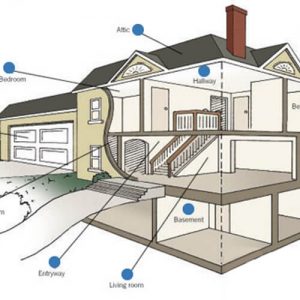
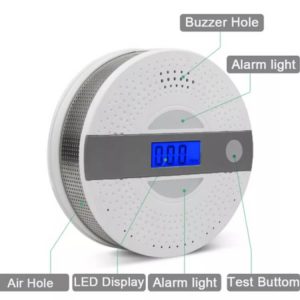
Comparison Table: Placement Efficiency of Mini Carbon Monoxide Detector
| Location Area |
Detection Speed |
Safety Level |
Recommended Installation |
Risk Level Without Detector |
| Bedroom Area |
High |
Critical |
Outside sleeping rooms |
Very High |
| Living Room |
Medium-High |
High |
Wall-mounted central area |
High |
| Garage Entrance |
Very High |
Critical |
Near connecting door |
Extreme |
| Kitchen Area |
Medium |
Medium |
3–5 feet away from stove |
High |
| Basement |
High |
High |
Near ventilation zone |
High |
| Hallway |
Medium |
Medium |
Ceiling-mounted |
Medium |
The table shows that installing multiple mini carbon monoxide detector units significantly increases safety coverage.
Best Applications of Mini Carbon Monoxide Detector
A mini carbon monoxide detector is suitable for both residential and industrial environments.
Residential Applications
- Apartment safety monitoring
- Bedroom protection systems
- Smart home integration
- Basement gas monitoring
Commercial Applications
- Hotels and guest houses
- Restaurants and kitchens
- Office buildings
- Shopping centers
Industrial Applications
- Manufacturing plants
- Boiler rooms
- Parking garages
- Warehouses
Because of its compact structure, the mini carbon monoxide detector is ideal for distributed safety networks.
Industry Standards and Compliance
A professional mini carbon monoxide detector should comply with global safety standards to ensure reliability.
Key Certifications:
- ISO 9000 – Quality management system ensures consistent production standards
- CE Certification – Confirms compliance with European safety requirements
- EN64 Standard – Ensures gas detection performance and alarm accuracy
- RoHS Compliance – Restricts hazardous substances in electronic components
These certifications guarantee that a mini carbon monoxide detector performs reliably under real-world conditions.
Compliance also increases trust in B2B procurement, especially for distributors and system integrators.
Common Mistakes in Mini Carbon Monoxide Detector Placement
Improper installation reduces detection efficiency. Avoid these mistakes:
1. Installing Too Close to Windows
Airflow reduces detection accuracy.
2. Placing in Bathrooms
Humidity damages sensors and shortens lifespan.
3. Installing Directly Above Appliances
Heat and steam cause false alarms.
4. Using Only One Device
Single coverage is insufficient for full protection.
5. Ignoring Maintenance
A mini carbon monoxide detector requires regular testing and battery replacement.
6. Blocking Airflow Around Device
Furniture or curtains reduce sensor performance.
Expert Recommendation
Industry experts recommend a layered safety strategy using multiple mini carbon monoxide detector units.
Professional Installation Strategy:
- Install one detector near each sleeping zone
- Add one unit in living room center
- Place one near garage connection door
- Add basement monitoring for enclosed structures
Expert Insights:
A mini carbon monoxide detector performs best when integrated into a full safety network rather than used alone. Professionals also recommend testing devices monthly and replacing them every 5–7 years depending on sensor type.
For commercial buildings, integration with alarm systems or IoT platforms improves response efficiency and central monitoring.
FAQ
1. Where should I install a mini carbon monoxide detector?
Install it near bedrooms, living rooms, and garage entrances for best coverage.
2. How many mini carbon monoxide detectors do I need?
Most homes need at least 2–4 units depending on size and layout.
3. Can I install a mini carbon monoxide detector in the kitchen?
Yes, but keep it 3–5 feet away from cooking appliances.
4. How often should I test the device?
Test your mini carbon monoxide detector once per month.
5. What is the lifespan of a mini carbon monoxide detector?
Most devices last 5–10 years depending on sensor quality.
6. Does carbon monoxide rise or stay low?
CO mixes evenly with air, so detector placement should focus on breathing zones.
7. Can one detector protect the whole house?
No, multiple units are required for full coverage and safety.
8. What should I do when the alarm triggers?
Immediately evacuate the area and seek fresh air before investigating the source.
A properly installed mini carbon monoxide detector is essential for modern safety systems. Correct placement improves detection speed, reduces risk, and ensures full coverage across residential and commercial environments.
By following industry standards, avoiding common mistakes, and applying expert installation strategies, users can significantly enhance protection against invisible CO gas threats.
A mini carbon monoxide detector is not just a device—it is a critical layer of life safety protection for every building type.