
What Is a Fire Alarm Control Panel and How Does It Work?
A fire alarm control panel is the core of a fire alarm system. It receives signals from smoke detectors, heat detectors, manual call points, and modules, then decides how the system should respond. Many engineers and buyers also use the term FACP, which means Fire Alarm Control Panel.
When a device detects smoke, heat, or another fire event, the fire alarm control panel identifies the signal, shows the event on the display, and starts the programmed actions. It can trigger sounders, strobes, relays, and other notification devices, helping people react faster and evacuate more safely.
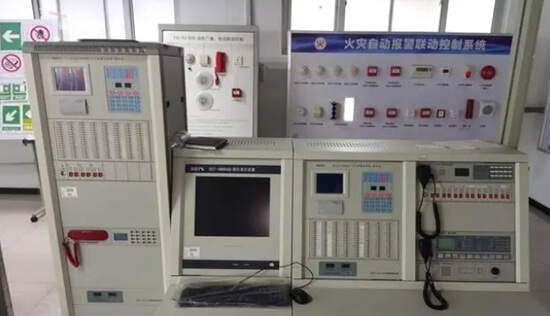
Today, many projects prefer an addressable fire alarm control panel because it gives clear device identification, easier fault finding, and better control in large or complex buildings. Conventional panels still suit smaller sites, but addressable systems often fit hotels, apartments, factories, offices, and public buildings that need flexible expansion and easier maintenance.
Modern fire control panels also support stronger communication, scalable point capacity, and connected functions. These features matter more as building safety systems grow more integrated and as many older addressable systems enter replacement cycles. That is why fire alarm control panel content, especially around addressable systems, remains highly relevant for commercial buyers and specifiers.
Choosing the right fire alarm control panel improves alarm monitoring, fault supervision, system coordination, and long-term project efficiency. For small buildings, a simple panel may work well. For larger projects, an addressable fire alarm control panel usually offers better visibility, faster maintenance, and easier future upgrades.