

carbon monoxide detector for home
03
2026-04
Why Every Home Needs a Carbon Monoxide Alarm in Winter?
A carbon monoxide alarm is a safety device designed to detect dangerous carbon monoxide gas in indoor air and warn people before the gas reaches life-threatening levels. Winter should make a home feel warm, safe, and comfortable. Families close windows, turn on heaters, use gas boilers, light fireplaces, and spend more time indoors. However, the same season that brings warmth can also increase one of the most serious hidden home safety risks: carbon monoxide exposure. Carbon monoxide is often called a silent danger because people cannot see it, smell it, or taste it. It can build up inside a home when fuel-burning equipment does not work properly, when vents become blocked, or when indoor ventilation is poor. Without a working carbon monoxide alarm, families may not realize there is a problem until symptoms appear or the situation becomes critical. Health Canada advises homeowners to test carbon monoxide alarms regularly, replace batteries and alarms according to the manufacturer’s instructions, and check expiry dates. NFPA also recommends testing CO alarms at least once a month and replacing them according to the manufacturer’s instructions. For homeowners, landlords, property managers, housing project buyers, and fire safety distributors, winter is the right time to think......
31
2026-03
What Should Be Included in a Carbon Monoxide Prevention Checklist for Hotels?
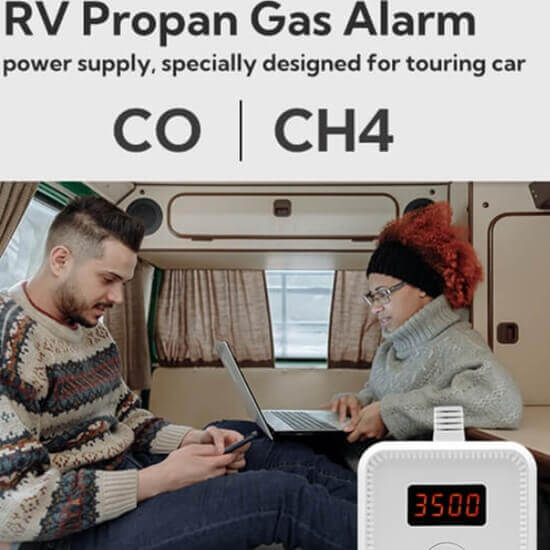
A carbon monoxide prevention checklist is a structured safety and maintenance plan used by hotels, serviced apartments, landlords, property managers, and rental operators to identify carbon monoxide risks, plan detector coverage, verify alarm operation, document inspections, and manage replacement cycles. For commercial properties, carbon monoxide prevention is different from protecting a single home. A hotel may have dozens or hundreds of guest rooms, multiple boilers, kitchens, mechanical rooms, parking areas, and different maintenance teams. Rental operators may also manage properties with different heating systems, appliance types, layouts, and occupancy patterns. Therefore, an effective program should focus not only on installing alarms, but also on creating a repeatable property-wide safety process. 1. Identify Every Potential CO Risk Area The first step in a carbon monoxide prevention checklist is to create a property risk map. Facility managers should review areas containing or located near fuel-burning equipment, including: Boilers and central heating systems Gas-fired water heaters Furnaces and fireplaces Commercial or residential gas appliances Laundry equipment using fuel combustion Attached or underground parking areas Maintenance rooms Backup power equipment Guest rooms near mechanical areas The objective is not simply to count appliances. Buyers should understand where carbon monoxide could originate, how air moves......
30
2026-03

How to Choose Carbon Monoxide Detectors for Residential Projects?
Let's Discuss Your Project
Contact us for suitable solution, and to meet your needs with maximum efficiency!
1. How can I become a SUMRING distributor?
We welcome global partners for fire alarm system distribution.You can apply for:Regional distributor rights,OEM branding cooperation,Project-based supply agreements,Long-term B2B partnership,Contact us to discuss your target market and business plan.
2. Why choose SUMRING fire alarm systems?
Our Key advantages include:Factory-direct fire alarm manufacturer pricing;Fast delivery for urgent engineering projects;Complete fire detection product portfolio;OEM/ODM customization capability;Stable quality control under ISO9001 system;Suitable for global mid-tier fire protection projects.
3. Do you provide technical support for fire alarm systems?
Yes, we provide full technical support including:Fire alarm system installation guidance,Wiring and configuration support,Troubleshooting assistance,Project-based consultation for distributors and contractors.
4. What shipping methods are available for fire alarm products?
We offer global logistics solutions:Sea freight (main export via Shenzhen / Hong Kong ports),Air freight,Express delivery (DHL, FedEx, UPS, TNT),China-Europe Railway Express (for EU markets).