Why Every Home Needs a Carbon Monoxide Alarm in Winter?
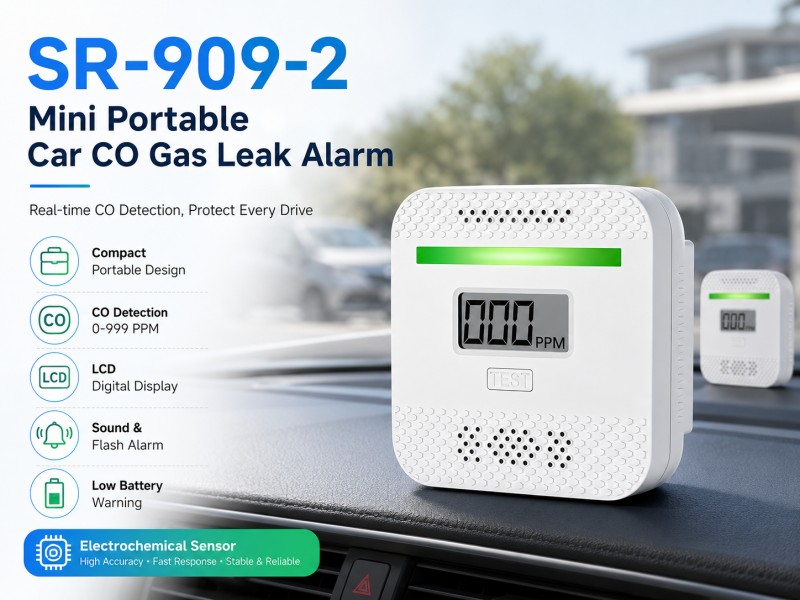
A carbon monoxide alarm is a safety device designed to detect dangerous carbon monoxide gas in indoor air and warn people before the gas reaches life-threatening levels.
Winter should make a home feel warm, safe, and comfortable. Families close windows, turn on heaters, use gas boilers, light fireplaces, and spend more time indoors. However, the same season that brings warmth can also increase one of the most serious hidden home safety risks: carbon monoxide exposure.
Carbon monoxide is often called a silent danger because people cannot see it, smell it, or taste it. It can build up inside a home when fuel-burning equipment does not work properly, when vents become blocked, or when indoor ventilation is poor. Without a working carbon monoxide alarm, families may not realize there is a problem until symptoms appear or the situation becomes critical.
Health Canada advises homeowners to test carbon monoxide alarms regularly, replace batteries and alarms according to the manufacturer’s instructions, and check expiry dates. NFPA also recommends testing CO alarms at least once a month and replacing them according to the manufacturer’s instructions.
For homeowners, landlords, property managers, housing project buyers, and fire safety distributors, winter is the right time to think seriously about home CO protection. A reliable carbon monoxide alarm is not only a household accessory. It is an essential safety layer that gives people time to react before an invisible gas becomes a deadly emergency.
Why Carbon Monoxide Risk Increases in Winter?
Winter increases carbon monoxide risk because many homes rely heavily on fuel-burning appliances. These may include gas boilers, furnaces, water heaters, fireplaces, gas stoves, portable heaters, and attached garage systems. When these systems burn fuel correctly and vent exhaust gases properly, the risk is controlled. But when something goes wrong, carbon monoxide can enter indoor air.
The danger becomes higher because homes are usually closed tightly in cold weather. Windows remain shut, doors stay sealed, and people may reduce ventilation to keep indoor heat. As a result, if carbon monoxide enters the home, it may accumulate faster.
A carbon monoxide alarm helps solve this problem by monitoring indoor air and giving an early warning. The alarm does not replace good maintenance, but it adds a critical protection layer when equipment failure, blocked venting, or human error occurs.
Common winter risk factors include:
Blocked boiler or furnace vents
Snow, ice, dust, pet hair, leaves, or debris can block exhaust paths. When gases cannot exit properly, they may flow back into the home.
Poor heating equipment maintenance
A dirty burner, damaged heat exchanger, blocked flue, or poorly adjusted appliance can increase carbon monoxide risk.
Running fuel-burning equipment indoors
Generators, grills, camp stoves, and outdoor heaters should never be used inside the home, garage, basement, or enclosed space.
Attached garages
A running vehicle in an attached garage can produce dangerous CO levels, even when the garage door is open.
Disabled or expired alarms
A carbon monoxide alarm cannot protect anyone if the battery is removed, the sensor has expired, or the device is not working.
The U.S. Consumer Product Safety Commission also reminds people to test CO and smoke alarms monthly, replace batteries if needed, never ignore an alarm, and clear snow away from outdoor vents for fuel-burning appliances.
What Makes Carbon Monoxide So Dangerous?
Carbon monoxide affects the body by reducing its ability to carry oxygen. When people breathe in CO, it enters the bloodstream and interferes with oxygen delivery. This can lead to headache, dizziness, weakness, nausea, confusion, loss of consciousness, and in severe cases, death.
The biggest problem is that early symptoms can look like common winter illness or tiredness. A family may think they have the flu, poor sleep, or general discomfort. Without a carbon monoxide alarm, it can be difficult to know that the real cause is dangerous gas exposure.
This is why early warning matters. A working carbon monoxide alarm gives people time to move to fresh air, call emergency services, and arrange professional inspection before the situation becomes fatal.
A Real Winter Lesson: Small Problems Can Become Serious
Many carbon monoxide incidents begin with small, preventable issues. A blocked vent, poor maintenance, missing battery, or ignored warning sound can turn a normal winter day into a life-threatening event.
A commonly discussed winter case involved an elderly couple in Orleans who experienced carbon monoxide poisoning after pet hair reportedly blocked the vent of a gas boiler. Reports about the incident also stated that the alarm battery had been removed, leaving the home without an effective warning when CO levels rose.
This type of case shows an important truth: a heating system alone does not protect a family. Safe winter living depends on three things working together:
Regular heating equipment maintenance
Clear vents and exhaust paths
A working carbon monoxide alarm
If any one of these is missing, the risk becomes higher.
Why Every Home Needs a Carbon Monoxide Alarm?
A carbon monoxide alarm gives families an early warning before CO exposure becomes deadly. Because carbon monoxide is invisible and odorless, the alarm becomes the only reliable way for most households to detect the gas in time.
Here are the main reasons every home needs one:
1. It Detects a Danger People Cannot Sense
People can usually see smoke or smell gas, but they cannot detect carbon monoxide naturally. A carbon monoxide alarm monitors the air continuously and alerts users when CO concentration becomes unsafe.
This is especially important at night. People sleeping inside a home may not notice early symptoms. A loud alarm can wake them and give them time to leave.
2. It Supports Faster Emergency Response
When a carbon monoxide alarm sounds, people know they should act immediately. The correct response is to move everyone to fresh air, call emergency services, and avoid re-entering the home until it is checked by qualified professionals.
Without an alarm, people may stay indoors too long because nothing looks wrong.
3. It Protects Vulnerable Family Members
Children, elderly people, pregnant women, and people with certain health conditions may be more vulnerable during CO exposure. A reliable carbon monoxide alarm helps protect these groups by providing earlier warning.
For families, this is not only about compliance. It is about giving every person in the home a better chance to respond safely.
4. It Reduces Risk for Landlords and Property Managers
For rental homes, apartments, dormitories, hotels, and housing projects, CO protection is also a management responsibility. Installing certified alarms can help improve safety standards, reduce complaints, and support compliance with local regulations.
A combination smoke and carbon monoxide alarm can be especially useful for property projects because it combines two safety functions in one device.
5. It Adds Value to Home Safety Systems
Modern buyers care about practical safety. A home equipped with reliable smoke and CO protection feels more complete. For contractors, distributors, and B2B buyers, a good carbon monoxide alarm can be part of a broader home safety product solution.
Where Should a Carbon Monoxide Alarm Be Installed?
Correct placement is essential. A good product can fail to protect effectively if it is installed in the wrong area.
In general, homeowners should install a carbon monoxide alarm:
On every level of the home
Near sleeping areas
Near rooms with fuel-burning appliances, according to local code and product instructions
In hallways where alarm sound can be heard clearly
In homes with attached garages
In properties using gas boilers, furnaces, fireplaces, or water heaters
Canada’s public health guidance recommends certified smoke and CO alarms, especially near sleeping areas and on each floor. Health Canada also advises users to check local fire department guidance for proper use and installation.
Avoid installing a carbon monoxide alarm directly beside windows, vents, fans, bathrooms, or cooking appliances unless the manufacturer’s instructions allow it. Airflow, steam, and local interference may affect performance or increase nuisance alarms.
How Often Should You Test a Carbon Monoxide Alarm?
A carbon monoxide alarm should be tested regularly. NFPA recommends testing CO alarms at least once a month and replacing them according to the manufacturer’s instructions.
Monthly testing is simple but important. Press the test button, listen for the alarm sound, and confirm the device responds properly. If the alarm does not sound, replace the batteries or the unit according to the user manual.
For property managers, monthly alarm testing can be added to a building safety checklist. For families, it can become a simple habit at the beginning of each month.
When Should Batteries and Units Be Replaced?
A carbon monoxide alarm needs power and a working sensor. If the battery is missing, weak, or removed, the alarm cannot protect the home. If the sensor has reached end of life, the alarm may no longer detect CO accurately.
Health Canada advises replacing batteries and the alarm as recommended by the manufacturer, writing the installation or replacement date on the battery or device, and checking the expiry date.
Many CO and combination alarms have a limited service life. Kidde notes that carbon monoxide and combination alarms are commonly replaced every seven to ten years, depending on the model.
Important reminder: if an alarm gives an end-of-life signal, replacing the battery may not solve the issue. The whole unit may need replacement.
Common Mistakes Homeowners Should Avoid
Even when homes already have alarms installed, mistakes can reduce protection. These are some of the most common problems.
Removing the Battery
Some people remove the battery after repeated chirping or nuisance sounds. This is dangerous. A chirp may mean low battery, end of life, or device fault. The solution is not to disable the alarm. The solution is to check the manual, replace the battery, or replace the unit.
Ignoring Alarm Sounds
Never ignore a carbon monoxide alarm. Treat every alarm as a real warning until professionals confirm the home is safe.
Forgetting Expiry Dates
CO sensors do not last forever. An expired alarm may still look normal, but it may not provide reliable protection.
Installing Too Few Alarms
One alarm may not be enough for a multi-level home. Bedrooms, basements, attached garages, and fuel-burning appliance areas all require careful planning.
Blocking Vents
Outdoor vents can become blocked by snow, ice, leaves, dust, or pet hair. During winter, exterior vent checks should be part of routine home safety.
Skipping Heating System Maintenance
A carbon monoxide alarm is essential, but prevention also matters. Boilers, furnaces, fireplaces, and water heaters should be inspected and serviced regularly.
Why Combination Smoke and Carbon Monoxide Alarms Make Sense?
A combination smoke and carbon monoxide alarm provides dual protection in one device. It can detect smoke from fire risk and carbon monoxide from fuel-burning equipment risk. For modern homes, this combined protection is practical and efficient.
A combination alarm is especially useful for:
Homes with gas boilers or furnaces
Apartments and rental units
Hotels and dormitories
Property management projects
New home safety upgrades
B2B fire safety distribution
Housing and renovation projects
Instead of installing separate smoke and CO devices in every area, buyers can choose a combined solution that saves space, simplifies installation, and improves safety coverage.
For distributors and project buyers, a combination smoke and carbon monoxide alarm can also improve product value. It solves two common safety needs with one product, making it easier to promote to homeowners, landlords, contractors, and retail channels.
What to Look for When Choosing a Carbon Monoxide Alarm?
Not every alarm is the same. Buyers should look beyond price and focus on safety, reliability, certification, and user experience.
Key selection points include:
Certified product design
Stable CO detection performance
Loud and clear alarm sound
Easy test button
Low-battery warning
End-of-life warning
Clear installation instructions
Long service life
Reliable power supply
Suitable design for home or project use
Combination smoke and CO detection if dual protection is needed
For B2B buyers, product consistency is also important. A good carbon monoxide alarm should support stable quality across bulk orders, easy packaging customization, and clear installation guidance for end users.
Winter Safety Checklist for Every Home
Use this simple checklist before and during winter:
Install a certified carbon monoxide alarm on every level of the home.
Place alarms near sleeping areas.
Test each alarm at least once a month.
Replace batteries as recommended by the manufacturer.
Check the expiry date on every alarm.
Replace expired or faulty units immediately.
Keep outdoor vents clear of snow, ice, dust, leaves, and pet hair.
Service boilers, furnaces, fireplaces, and water heaters regularly.
Never use outdoor generators, grills, or fuel-burning devices indoors.
Never run a car inside an attached garage.
Never ignore a smoke or CO alarm.
Teach family members what to do when an alarm sounds.
What Should You Do If a Carbon Monoxide Alarm Sounds?
If a carbon monoxide alarm sounds, act quickly.
Move everyone to fresh air immediately.
Do not waste time searching for the source.
Call emergency services from outside the home.
Do not re-enter the building until professionals say it is safe.
Arrange inspection of heating equipment, vents, and appliances.
Replace or reset the alarm only according to the manufacturer’s instructions.
The most important rule is simple: never treat a CO alarm as a nuisance. It may be the only warning before a serious emergency.
Expert Recommendation
Every home that uses fuel-burning equipment should have a reliable carbon monoxide alarm. In winter, this becomes even more important because heating systems run more often, homes stay closed longer, and blocked vents are more common.
For families, the best approach is prevention plus detection. Keep vents clean, maintain heating equipment, test alarms monthly, and replace batteries and expired units on time.
For landlords and property managers, choosing certified alarms can improve tenant safety and simplify maintenance planning.
For fire safety distributors, wholesalers, and project buyers, combination smoke and carbon monoxide alarms offer strong market value because they meet two essential safety needs in one product.
A warm winter home should never come with hidden danger. A working carbon monoxide alarm gives families confidence, warning time, and a better chance to stay safe.
FAQ
1. What is a carbon monoxide alarm?
A carbon monoxide alarm is a safety device that detects carbon monoxide gas in indoor air and warns people when CO reaches a dangerous level.
2. Why is carbon monoxide more dangerous in winter?
Winter increases CO risk because homes use heaters, boilers, fireplaces, and other fuel-burning equipment more often. Closed windows and blocked vents can make the problem worse.
3. Where should I install a carbon monoxide alarm?
Install alarms on every level of the home and near sleeping areas. Follow local safety codes and the manufacturer’s installation instructions.
4. How often should I test my carbon monoxide alarm?
NFPA recommends testing CO alarms at least once a month. Monthly testing helps confirm the device is working properly.
5. Can I remove the battery if the alarm keeps beeping?
No. Never remove the battery and leave the alarm disabled. Check whether the sound means low battery, device fault, or end of life.
6. Do carbon monoxide alarms expire?
Yes. CO alarms have a limited service life. Always check the expiry date and replace the unit according to the manufacturer’s instructions.
7. Is a combination smoke and carbon monoxide alarm a good choice?
Yes. A combination smoke and carbon monoxide alarm provides dual protection in one device, making it useful for homes, apartments, rentals, and housing projects.
8. What should I do when a carbon monoxide alarm sounds?
Move everyone to fresh air, call emergency services, and do not re-enter the home until it has been checked by professionals.
9. Do all-electric homes need a carbon monoxide alarm?
Risk may be lower if there are no fuel-burning appliances or attached garages. However, many homeowners still choose CO protection for added safety and future changes.
10. What causes carbon monoxide buildup at home?
Common causes include blocked vents, faulty boilers, poorly maintained furnaces, fireplaces, water heaters, generators used indoors, and vehicle exhaust from attached garages.
Winter safety starts with one simple decision: install a reliable carbon monoxide alarm before danger appears. For distributors, contractors, housing projects, and safety product buyers looking for dependable home protection solutions, a combination smoke and carbon monoxide alarm offers practical value, easier installation, and stronger market demand.
Looking for stable supply, B2B pricing, and reliable home safety alarm solutions? Contact Sumring Fire Alarm Solutions to explore carbon monoxide alarm and combination smoke and CO alarm options for your market.