

NEWS
06
2023-02
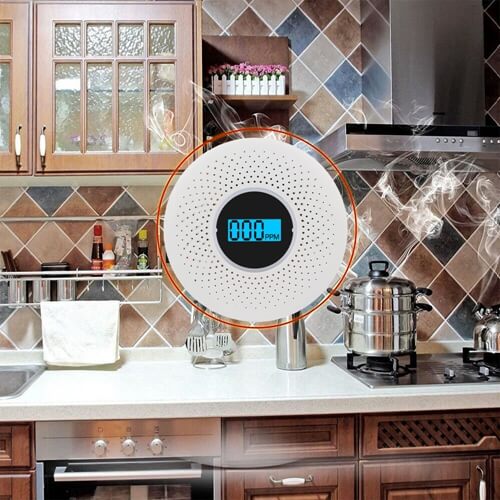
How about combo smoke co alarm ?
20
2023-01

How to get the cheapest carbon monoxide detector ?
20
2023-01
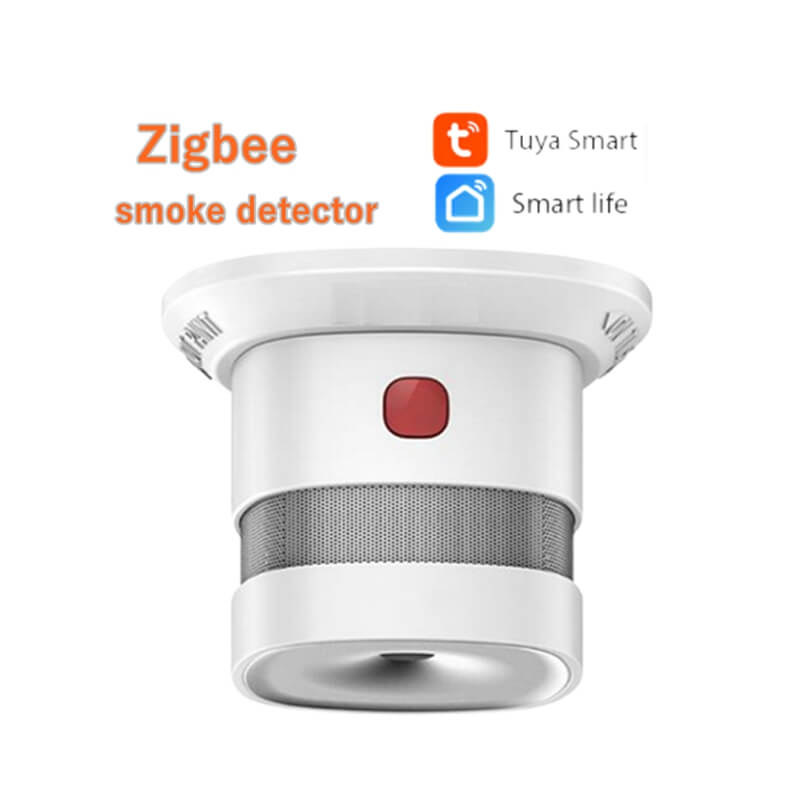
Zigbee technology, Zigbee fire detector, the trend of the times !
11
2023-01
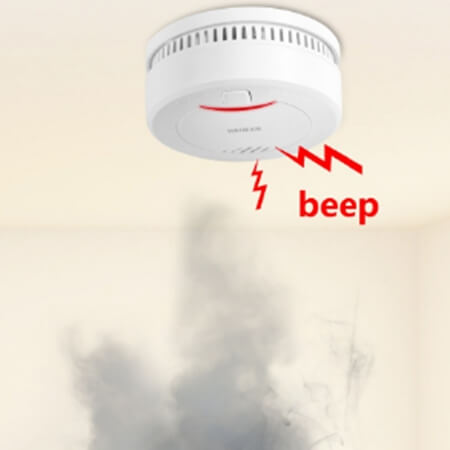
Sealed smoke alarm, you are deserved to have it !
04
2023-01
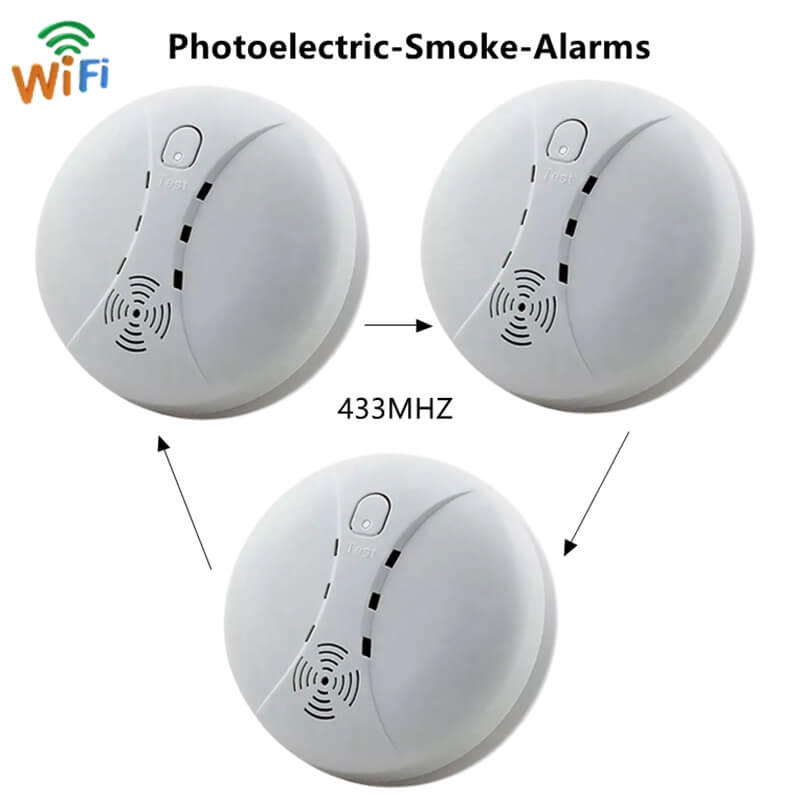
How many smart fire alarm detectors can be interconnected ?
04
2023-01
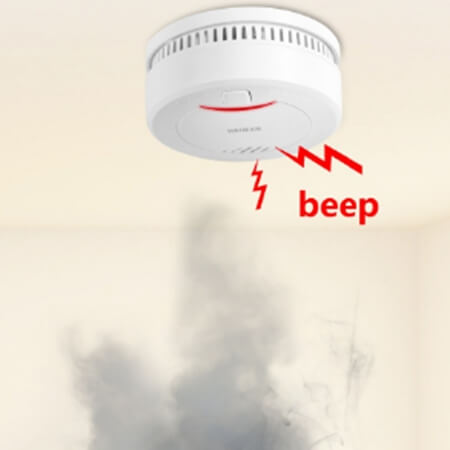
Sealed smoke alarm, you are deserved to have it !
04
2023-01

Hot sales product is coming, ac carbon monoxide detector !
19
2022-12

Will you choose comebined smoke detector co detector ?
12
2022-12
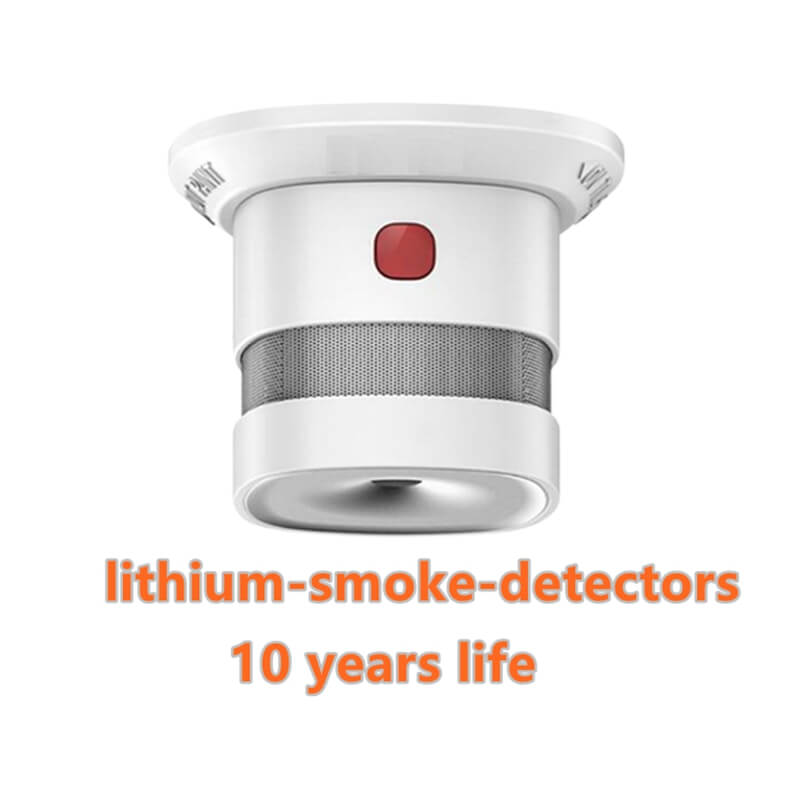
How’s 10 year photoelectric smoke detector ?
10 year photoelectric smoke detector
05
2022-12

How to prevent carbon monoxide poisoning?
Sumring carbon monoxide smoke detector combo alarm
22
2022-11
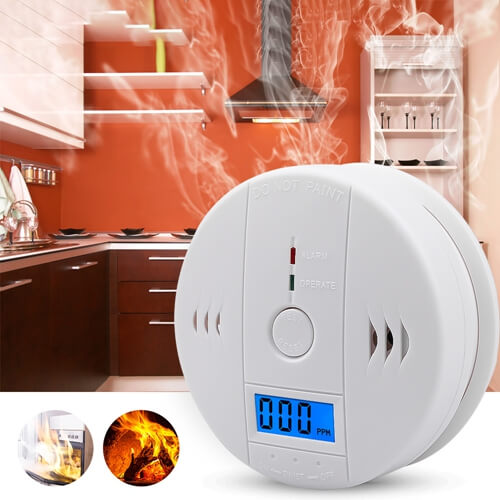
How to install co monoxide detector ?
09
2022-11

Looking for the best combination smoke co detector to protect your home?
combination smoke co detector
Let's Discuss Your Project
Contact us for suitable solution, and to meet your needs with maximum efficiency!
1. How can I become a SUMRING distributor?
We welcome global partners for fire alarm system distribution.You can apply for:Regional distributor rights,OEM branding cooperation,Project-based supply agreements,Long-term B2B partnership,Contact us to discuss your target market and business plan.
2. Why choose SUMRING fire alarm systems?
Our Key advantages include:Factory-direct fire alarm manufacturer pricing;Fast delivery for urgent engineering projects;Complete fire detection product portfolio;OEM/ODM customization capability;Stable quality control under ISO9001 system;Suitable for global mid-tier fire protection projects.
3. Do you provide technical support for fire alarm systems?
Yes, we provide full technical support including:Fire alarm system installation guidance,Wiring and configuration support,Troubleshooting assistance,Project-based consultation for distributors and contractors.
4. What shipping methods are available for fire alarm products?
We offer global logistics solutions:Sea freight (main export via Shenzhen / Hong Kong ports),Air freight,Express delivery (DHL, FedEx, UPS, TNT),China-Europe Railway Express (for EU markets).