Are You Installing Smoke CO Detectors Correctly for Maximum Safety?
Smoke CO detector installation means placing a smoke and carbon monoxide detector in the correct position to provide fast, reliable warning during fire or gas leaks.
Correct smoke CO detector installation improves safety, reduces false alarms, and extends detector lifespan. Install detectors at the right height, avoid airflow interference, and follow gas density rules. Combined smoke and CO alarms provide broader protection for homes, offices, hotels, warehouses, and industrial facilities.
For best performance:
- Install detectors in visible locations
- Keep units away from vents and motors
- Follow ceiling and floor spacing rules
- Use certified products with CE, RoHS, and EN standards
- Schedule regular maintenance and testing
Modern buyers increasingly prefer combined detectors because they reduce installation complexity and improve overall safety coverage.
What Is Smoke CO Detector Installation?
Smoke CO detector installation refers to the proper mounting and positioning of smoke and carbon monoxide detectors to ensure accurate hazard detection.
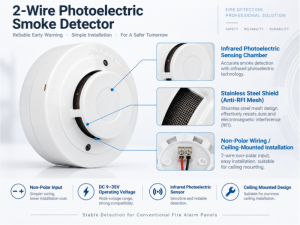
Smoke detectors identify fire particles in the air. CO detectors monitor carbon monoxide gas produced by incomplete combustion. A combined smoke CO alarm detects both hazards using integrated sensors.
A proper installation process includes:
- Correct mounting height
- Suitable environmental conditions
- Stable power connection
- Proper alarm coverage
- Easy maintenance access
Incorrect placement can delay alarms or create repeated false alerts. That is why professional installers follow strict positioning standards during every smoke CO detector installation project.
Today, many commercial buyers choose integrated smoke CO alarms because they simplify inventory management and reduce installation costs.
How It Works
A combined smoke CO detector uses multiple sensing technologies to monitor air quality continuously.
Smoke sensors detect:
- Combustion particles
- Heat-related smoke
- Fast-burning fire conditions
CO sensors detect:
- Carbon monoxide concentration
- Dangerous combustion gas buildup
- Long-term exposure risks
When the sensor detects danger, the system activates:
- Audible alarms
- Flashing LED indicators
- Smart notifications
- Relay outputs for integrated systems
Correct smoke CO detector installation ensures sensors react quickly and accurately.
For lighter gases, installers place detectors near ceilings. For heavier gases, detectors should stay closer to the floor. This placement improves gas sampling efficiency and reduces delayed detection.
Modern smart detectors also support:
- WiFi connectivity
- Mobile alerts
- Self-testing systems
- Intelligent false alarm reduction
These features improve safety performance in residential and commercial environments.

Comparison Table
| Feature | Combined Smoke CO Detector | Standard Smoke Detector | Standalone CO Detector |
|---|---|---|---|
| Hazard Detection | Smoke + Carbon Monoxide | Smoke Only | CO Gas Only |
| Installation Complexity | Low | Medium | Medium |
| Maintenance Cost | Lower | Separate Maintenance | Separate Maintenance |
| Space Requirement | Compact | Moderate | Moderate |
| Alarm Coverage | Dual Protection | Fire Only | Gas Only |
| Best for Homes | Excellent | Good | Limited |
| Best for Hotels | Excellent | Good | Good |
| Best for Warehouses | Excellent | Limited | Good |
| Smart Connectivity | Common | Optional | Optional |
| False Alarm Reduction | Advanced | Basic | Advanced |
| Long-Term Value | High | Medium | Medium |
Many distributors now recommend combined units because they improve efficiency and reduce installation time.
Best Applications
Residential Homes
Families use combined smoke CO alarms for bedrooms, kitchens, hallways, and garages. Proper smoke CO detector installation provides early warning during fires and gas leaks.
Apartments and Rental Properties
Property managers prefer integrated detectors because they simplify maintenance and improve tenant safety compliance.
Hotels and Hospitality
Hotels need reliable alarm systems that minimize false alarms while ensuring rapid response.
Offices and Commercial Buildings
Commercial facilities often combine smoke CO detectors with centralized fire alarm systems.
Warehouses and Factories
Industrial environments require stable detectors with strong anti-interference performance.
Schools and Hospitals
Public facilities need certified detectors with continuous monitoring and high reliability.
Industry Standards
Reliable smoke CO detector installation requires certified products that meet international safety standards.
ISO9000
International Organization for Standardization ISO9000 focuses on quality management systems. Manufacturers using ISO9000 processes maintain stable production quality and product consistency.
CE Certification
The CE mark confirms compliance with European safety requirements. CE-certified detectors meet electrical and safety regulations for European markets.
EN54 Standard
European Committee for Standardization EN54 defines performance standards for fire detection and alarm systems. Many professional buyers require EN54-certified products for commercial projects.
RoHS Compliance
RoHS certification restricts hazardous substances in electronic products. RoHS-compliant detectors support environmental and workplace safety goals.
Buyers often prioritize detectors with all four certifications because they improve project approval rates and market competitiveness.
Common Mistakes
Installing Too Close to Air Vents
Strong airflow can prevent smoke or gas from reaching the sensor.
Mounting at the Wrong Height
Incorrect placement delays alarm activation and reduces detection accuracy.
Ignoring Gas Density Rules
Lighter gases rise. Heavy gases sink. Placement should match gas behavior.
Installing Near Electrical Interference
Transformers, motors, and electrical panels can affect sensor performance.
Blocking Alarm Visibility
Users may miss visual alerts if objects block the detector.
Skipping Maintenance Access
Technicians need clear access for testing and cleaning.
Using Non-Certified Products
Low-quality detectors increase failure risks and reduce compliance.
Forgetting Routine Testing
Regular inspections help maintain reliable smoke CO detector installation performance.
Expert Recommendation
Professional installers recommend combined smoke and CO detectors for most modern safety projects.
A combined system provides:
- Faster hazard detection
- Reduced installation costs
- Simplified maintenance
- Better protection coverage
- Improved project efficiency
For best results during smoke CO detector installation:
- Install units at 160–170 cm height when applicable
- Keep detectors visible and unobstructed
- Avoid humid or dusty environments
- Follow gas density placement rules
- Use certified detectors with CE, RoHS, EN54, and ISO9000 compliance
- Schedule monthly testing
- Replace aging sensors according to manufacturer guidelines
Commercial buyers should also choose suppliers with stable production capacity and technical support.
Smart smoke CO alarms with WiFi connectivity continue to gain popularity because they support remote monitoring and real-time alerts.
This trend is growing rapidly across residential, hospitality, and industrial markets.
FAQ
1. What is the ideal height for smoke CO detector installation?
Most installations work best at 160–170 cm from the floor, depending on room conditions and local regulations.
2. Can one detector monitor both smoke and carbon monoxide?
Yes. Combined detectors provide dual protection in a single device.
3. Where should I avoid installing smoke CO alarms?
Avoid vents, humid rooms, dusty spaces, and strong electromagnetic environments.
4. Why do smoke CO detectors create false alarms?
Improper placement, airflow interference, steam, or contamination often cause false alarms.
5. How often should detectors be tested?
Test detectors monthly and inspect the system regularly.
6. Are smart smoke CO alarms worth it?
Yes. Smart alarms provide remote notifications and easier monitoring.
7. What certifications should buyers look for?
Professional buyers often require CE, EN54, RoHS, and ISO9000 compliance.
8. Can smoke CO detectors work in industrial facilities?
Yes. Many industrial-grade detectors support warehouses, factories, and equipment rooms.
9. How long do smoke CO detectors last?
Most detectors last between 5 and 10 years, depending on sensor technology and environment.
10. Why is proper smoke CO detector installation important?
Correct installation improves detection speed, reduces false alarms, and protects lives more effectively.
Proper smoke CO detector installation remains one of the most effective ways to improve fire and gas safety. Correct placement, certified products, and regular maintenance create reliable long-term protection for homes and commercial facilities alike.